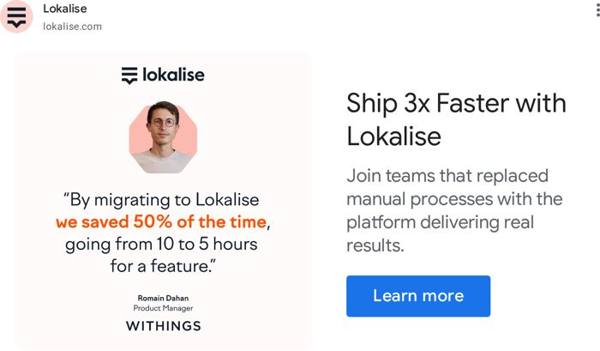
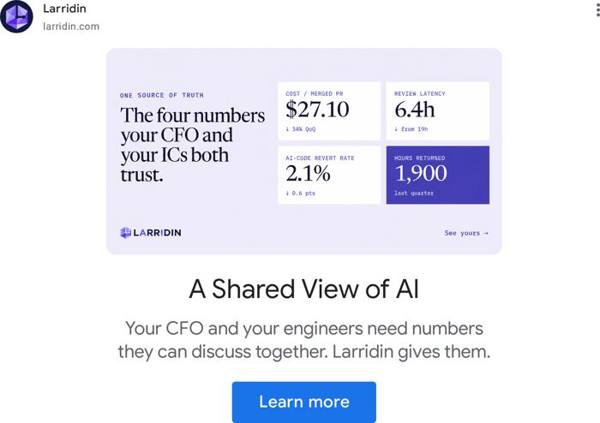
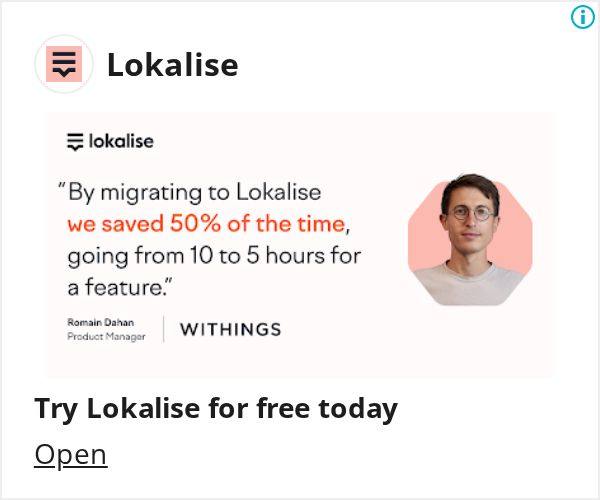
We pulled the US Google ads of 308 B2B advertisers from Google's Ads Transparency Center, 16,397 distinct creatives in all, and scored every one. Search ads and display ads are kept apart, since a few lines of text on a results page and an image beside an article do different jobs. Google shows how long each ad has run, so you can see which ones advertisers keep paying for. 12,139 ran for three months or more.
74%of the 16,397 distinct B2B creatives were shown for three months or more. Advertisers keep paying for ads that work, so a long run is the clearest public sign of a winner.
89%of the creatives are search text ads, and 78% of those ran three months or more, against 46% of display image ads.
4.4out of 10 was the average score for display image ads, against 3.7 for search text ads. Our scoring model judges how a search ad reads, and three lines of text rarely stand out the way a designed image can.
79%of creatives whose main hook is a report, guide or other content to download ran three months or more, the most of any hook.
3.7out of 10 was the average score for creatives shown three months or more, against 4.0 for ones pulled within a month.
4.1out of 10 was the average for creatives that lead with a specific number, against 3.8 for ones that don't.
The 24 best ads and why they work
12 search ads and 12 display ads, shown apart and judged against their own kind, the highest scoring of each that use a repeatable pattern, no more than two from any brand. Click an ad to see it in Google’s Ads Transparency Center.
When a card says Live for 7 months, Google has been showing that ad for seven months. Advertisers stop paying for ads that don’t work, so a long run is the best public sign an ad does.
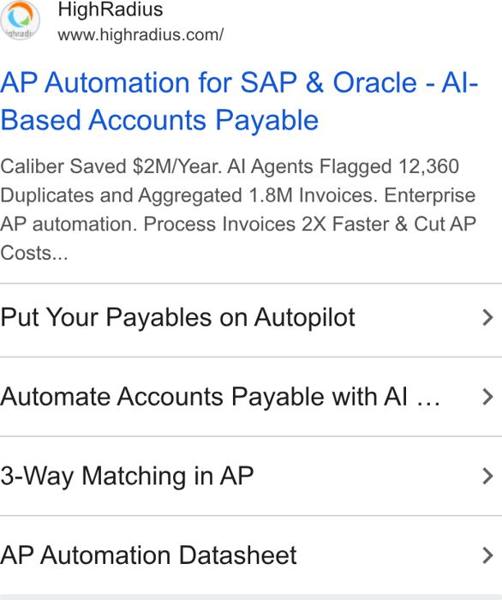
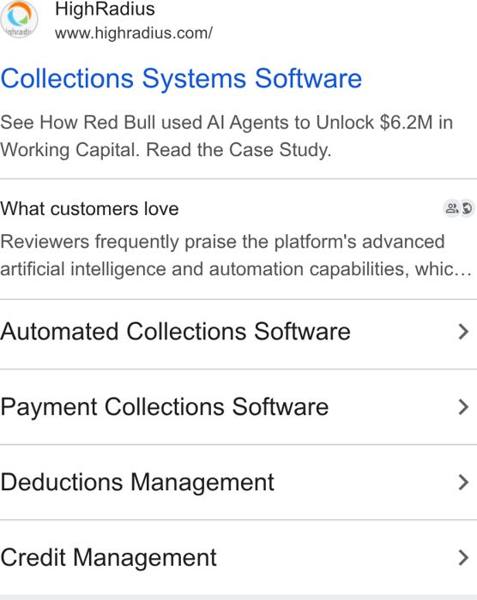
An AP leader on SAP or Oracle searching for automation sees their stack named in the headline and a customer saving $2M a year in the first line. The sitelinks follow the questions a buyer would ask next.
What stands out
The description packs hard numbers from a named customer into a search ad, which few competitors manage.
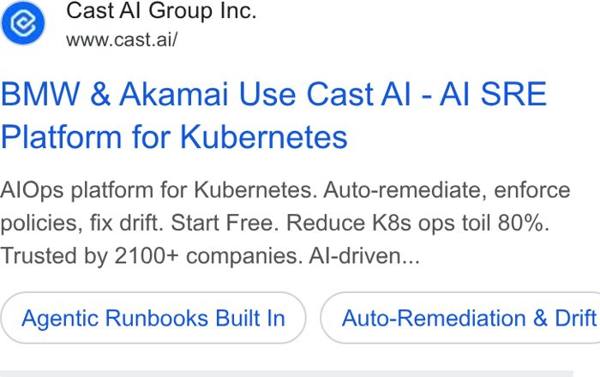
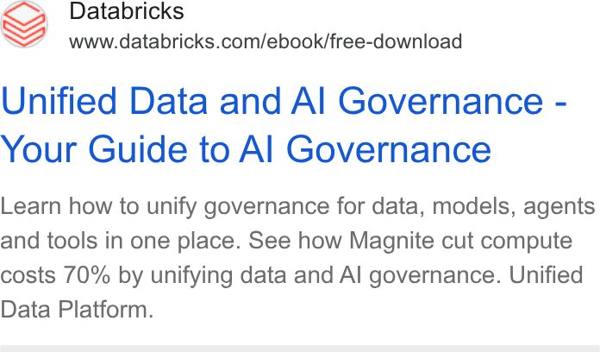
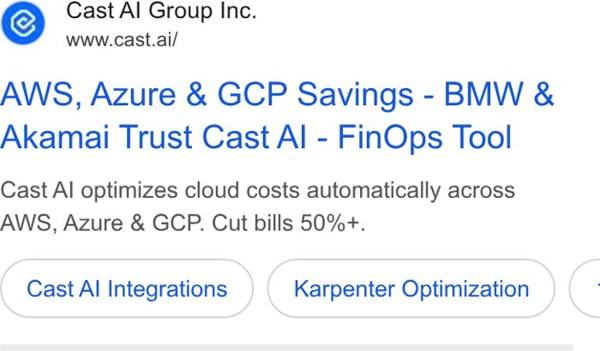
Two named customers in the headline, BMW and Akamai, before the product category. In a page of near-identical results, brands the searcher knows are what they read first.
What stands out
The description adds a number, 80% less Kubernetes toil, and the sitelinks name the features.
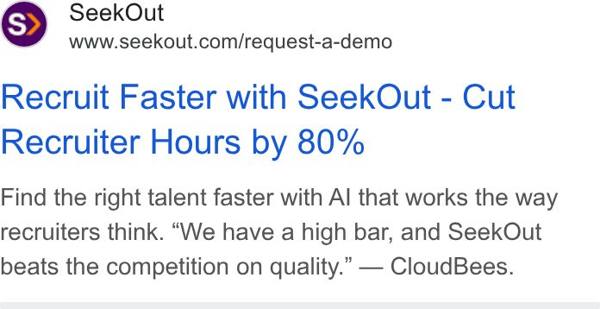
A headline that promises one result with a number, recruiter hours cut by 80%. The description backs it with a customer quote, so the claim and its proof sit in one ad.
What stands out
Short, active words throughout. Nothing a recruiter has to decode.
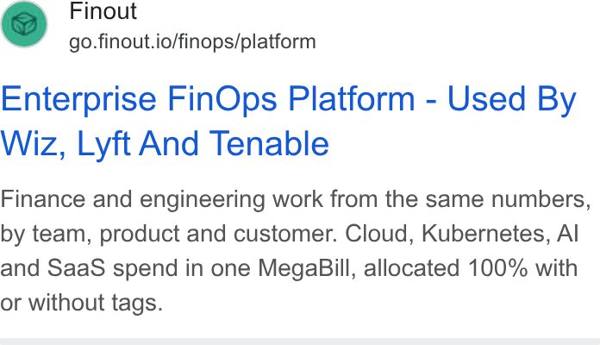
Three named customers in the headline, Wiz, Lyft and Tenable. For an enterprise buyer comparing FinOps tools, that list does more than any feature claim.
What stands out
The description says who it serves, finance and engineering, and what it covers in one line each.
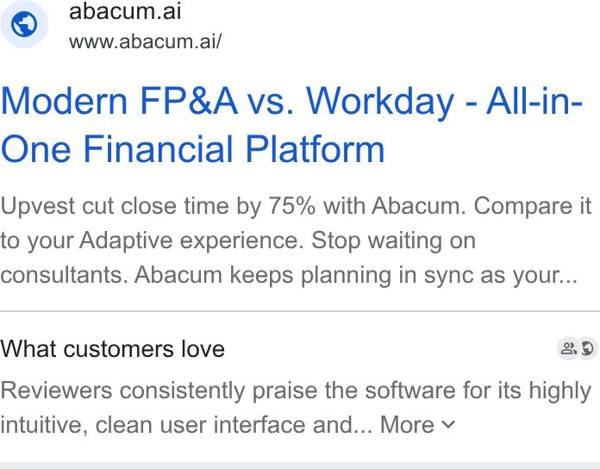
It targets buyers comparing against Workday, then gives them a reason to switch, a named customer that cut close time by 75 percent. The copy speaks to people already frustrated with consultants.
What stands out
Naming the rival in the headline meets the searcher exactly where their research is.
Three clouds and two named customers in the headline, then one clear promise, cut bills 50%+. It is the same advertiser's second strong ad, written for a cost-focused search.
What stands out
Sitelinks point to integrations, which is where a technical buyer looks next.
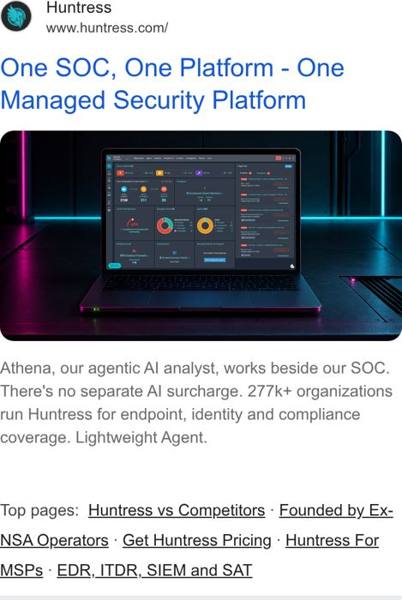
It answers what a security buyer searches for, one platform, and backs it with scale, 277k organisations, and a clear note that the AI analyst costs nothing extra. The sitelinks cover pricing and comparisons.
What stands out
Saying there is no AI surcharge removes a worry buyers now have about every security tool.
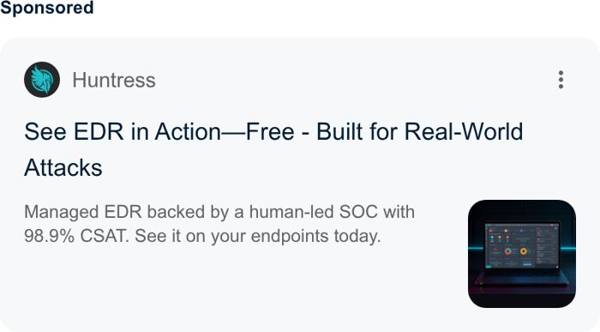
A free look at EDR in action lowers the barrier for a security team, and the 98.9 percent satisfaction figure for the human led SOC adds trust. It suits a buyer who wants to see before they commit.
What stands out
The offer, see it on your endpoints today, is concrete and immediate.
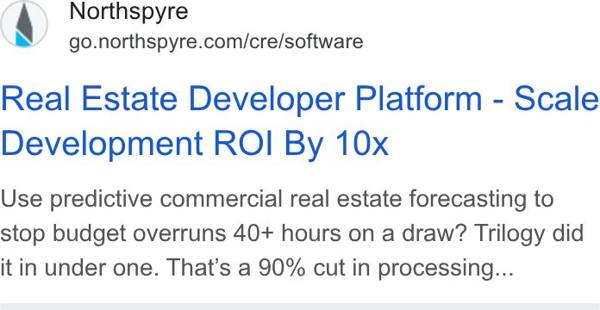
A headline aimed at one buyer, real estate developers, with a 10x promise. The description asks a question that names their exact pain, then answers it with a customer result.
What stands out
The 40 hours versus under one comparison is concrete enough to remember.
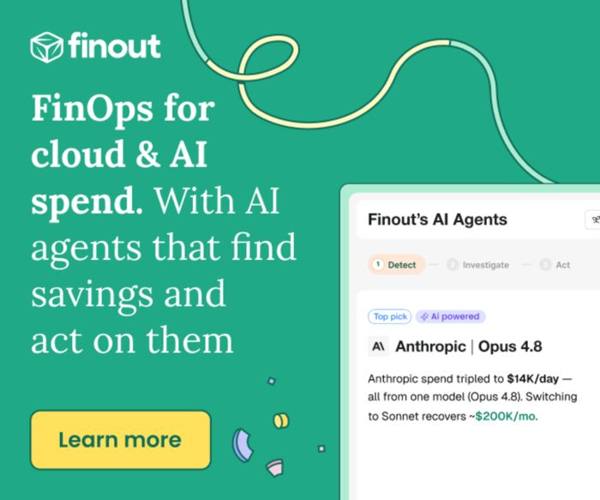
The product's own agent output is the image, an alert that a model's spend tripled to $14K a day and the fix that saves $200K a month. It shows the job being done.
What stands out
A serif headline next to real UI, with one yellow button.
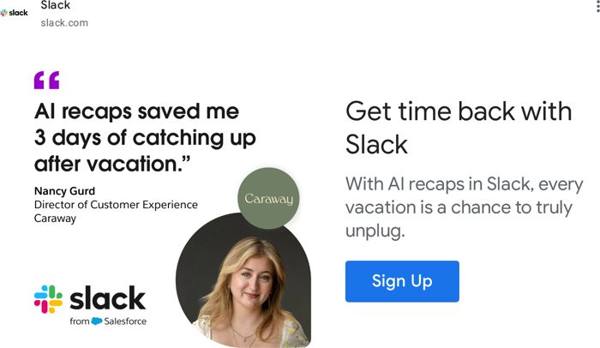
A named director at a named company and one relatable result, three days of catch-up saved after a vacation. Everyone who uses work chat knows that feeling.
What stands out
The quote is set large next to her photo, and the brand sits in the corner.
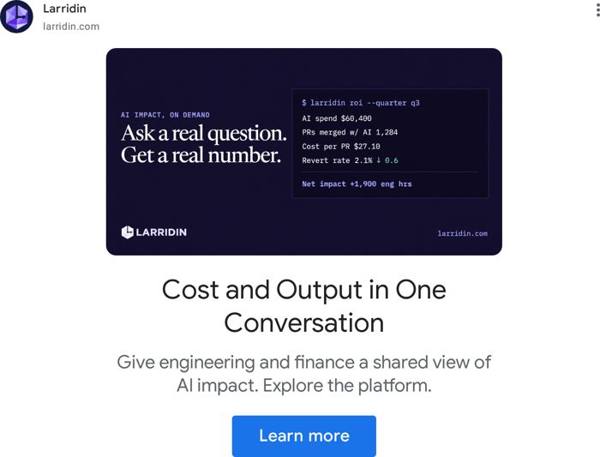
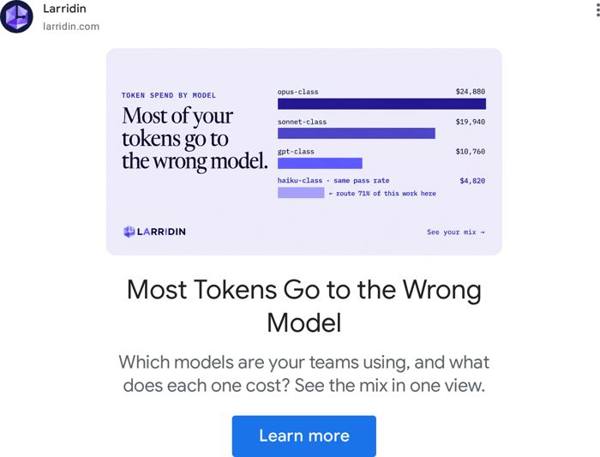
A bar chart of token spend by model with an exact dollar figure per line. The headline states the finding in a way any engineering lead will want to check.
What stands out
Real-looking data in the product's style, with one short headline.
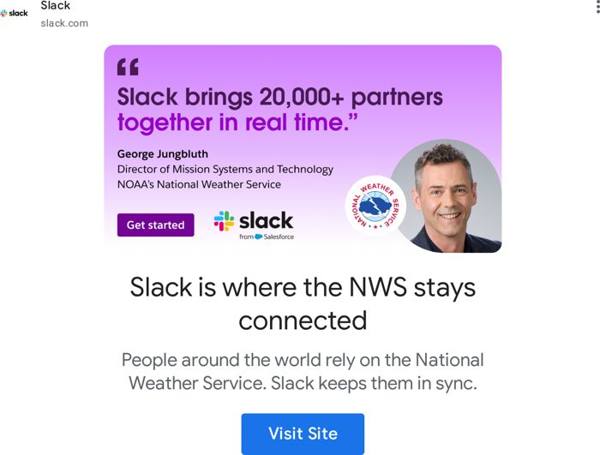
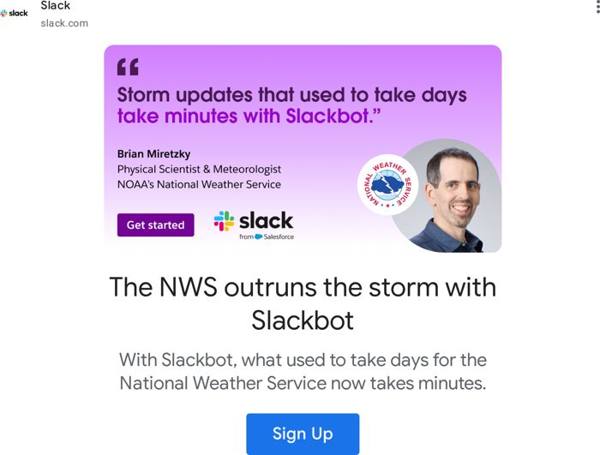
A government agency as the customer and a big number, 20,000+ partners. Proof from the National Weather Service carries weight with any operations buyer.
What stands out
The quote, the person and both logos share one card.
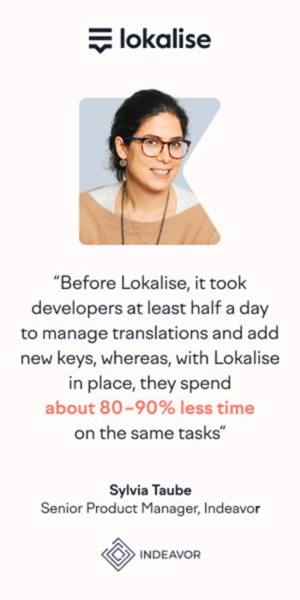
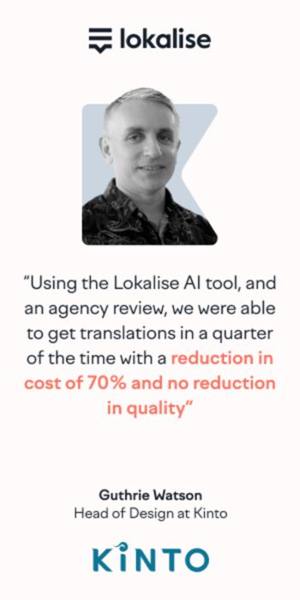
A second customer quote in the same template, this time a 70% cost cut with no drop in quality. Running the same layout with different customers is an easy way to scale proof.
What stands out
The template is recognisable at a glance, so each new quote builds on the last.
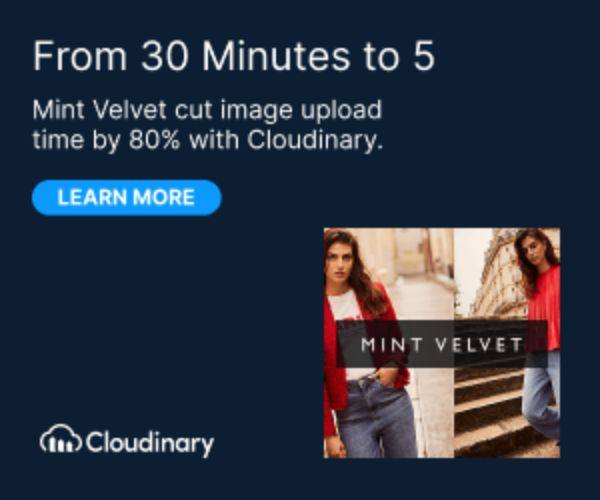
A named retailer and one before and after number, thirty minutes down to five, tell a buyer what Cloudinary does for a team like theirs. The proof is specific enough to believe at a glance.
What stands out
The customer's own product photos sit beside the claim, so the result and the brand it happened to share the frame.
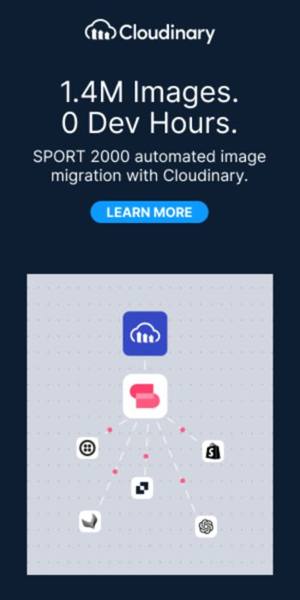
Two short numbers, 1.4M images and zero developer hours, make the case before the reader gets to the logo. Naming the customer turns a claim into a story an engineering lead can repeat.
What stands out
The diagram shows Cloudinary at the centre of the tools the customer already used, which explains the migration without any copy.
The same repeatable formats we found on LinkedIn, with examples from Google. Each comes with a recipe for the image, headline, copy and CTA.
In search, the headline is the ad. Put the buyer’s problem or one exact number in it.
On display, one idea and the brand inside the frame. Most people see it for a second at the side of a page.
Every number in an ad needs a real source. Never invent a named person or a quote.
Treat each pattern as a test. Run it against your current best ad for 2 to 3 weeks and judge it on the campaign’s own metric.
1
Product UI with real numbers
One crisp product screen or alert, cropped large, showing a believable moment with exact figures. Specific numbers read as measured fact, so the UI is the proof.
ImageCrop one real product view or alert big. Exact non-round figures, a timestamp, one red or green signal, logo inside the frame.
HeadlineName the moment the screen shows, in under eight words. Example 'Velocity looks fine. Profitability doesn't.'
CopyOne line on the situation the buyer is in, one line on what the product does about it, one proof number.
CTASee it on your data or See a live demo.
2
Named customer as hero
Let a known customer carry the ad. Their product, their exec or their numbers fill the frame, and your brand sits small.
ImageReal photo of the customer's product or exec, or 3 outcome lines with their logo. Your logo clearly visible beside theirs.
Headline'[Customer] builds with [you]' or the exec's own quote. Pick a customer the reader sees as a peer.
CopyWhat the customer faced, what changed, one number, a link to the full story.
CTARead the story.
3
Engineer-native code hero
Real code, CLI output or a real repo screenshot as the main visual, written in the reader's own syntax with a dry joke or receipt.
ImageA real code snippet, CLI command or GitHub file in monospace, correct syntax, one line highlighted. Dark background, one accent colour.
HeadlineA short line or pun that only an engineer gets. Example 'It's a Droplet. With eight H100s in it.'
CopyOne sentence on what the code does, one on price or speed, no marketing adjectives.
CTAGet started or Deploy now.
Browse the whole library
Top-rated ads shows the 140 best creatives, the 78 display ads that scored 6 or higher out of 10 and the 62 best search ads. Every distinct ad shows the 15,016 that ran for a month or more, longest running first. Choose Search ads or Display ads to see one kind on its own.
140 top-rated ads match
Page 1 of 3
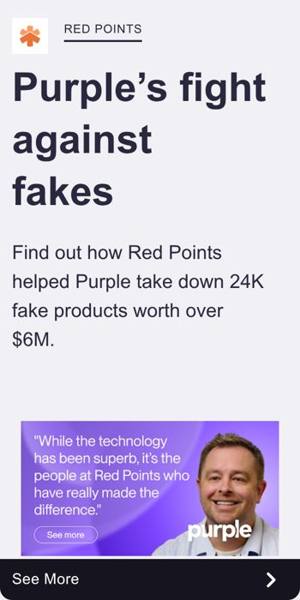
Red PointsDisplay image adRan for 13 monthsOur score 7/10
A mock-up of a familiar app screen, message, email or document. Averaged 2.4 out of 10 across 84 creatives, against 3.8 for the library as a whole. It was one of the lowest-scoring hooks we found.
How we built it
Every ad comes from Google's Ads Transparency Center, which lists the ads each advertiser runs and how long each has been shown. We looked up the website of every brand in our LinkedIn library and pulled up to 100 US ads per site.
Each creative went to our scoring model, an AI model built to judge creative, as the image Google shows of it. It scored each one out of 10, up to 5 for how well it would land with a senior B2B buyer and up to 5 for craft, and tagged its hook, visual style and pattern. The scores judge the creative, so test against your own numbers.
Video ads are left out, since Google only shows them in a player.
Every ad belongs to the company that ran it. Use them for ideas and make your own creative.
Google's Ads Transparency Center lists every ad an advertiser runs on Search, YouTube and display, with when it was first and last shown. Search it by the company's name or website.
What makes a good B2B Google ad?
In search, a headline that names the buyer’s problem or carries one exact number. On display, one idea a buyer gets in a second, with the brand inside the image. The ads in this library that run longest tend to make one clear offer.
Where do these ads come from?
Google's Ads Transparency Center. We pulled the US ads of 308 B2B advertisers, 24,073 ads in all, and counted each creative once.
Let's make ads like these for you
We brief, design and run search and paid social for B2B teams. Tell us what you sell and who you sell it to.