Class of 2026: Stop hiding your AI skills.
My sons are around this age, and I’ve noticed that many universities are pushing students away from AI. Students are constantly getting grilled: “Did you write this on your own, or did you use AI?”
So these grads may feel the need to hide their AI skills.
Let’s set the record straight: In the corporate world, knowing how to use AI isn't cheating. It’s a competitive advantage.
We don’t want you to hide it. We want you to show us how to wield this technology better than anyone else.
I know the job market feels incredibly tough right now, and there’s a real undercurrent of worry that AI is going to eliminate early career roles. We are admittedly in a limbo phase where companies are trying to figure out what skills they need and how organizational structures will change. The next couple of years will require some serious adaptation.
But I’m a long-term optimist. AI is an assistant, not a replacement for human creativity and critical thinking.
So if you are a new grad who knows how to use these tools to drive real business outcomes, don't be humble about it. Put it on your resume, talk about it in your interviews, and teach us what you know.
We’re hiring for the future, and we want you to show us how to build it.
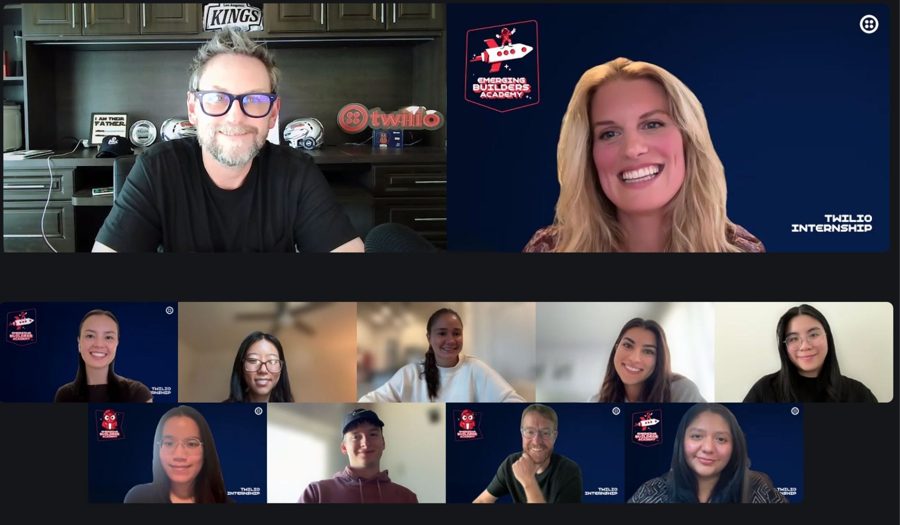
Sat down with our summer interns for a fireside chat today, which timed well with National Intern Day!
It was fun connecting with early career marketers. We had a nice conversation about what the future of marketing might look like and how they can better prep for this future.
Some nuggets from our conversation:
🌐 Careers aren't linear: I’m proud of being a generalist, and I think it’s the future. It’s important to collect varied experiences, connect the dots across the whole business, and build a broader perspective.
🏃 Run toward hard problems: Don't shy away from the messy, tough challenges. Lean in and help fix them. When you tackle a hard problem and solve it, people notice and you build a solid reputation fast.
🤖 AI is your assistant, not your replacement: AI isn't going to replace marketers, but the people who know how to wield this technology better than anyone else are going to win.
💡 Don't be afraid to stick out: Bring your crazy ideas, ask the bold questions, and embrace trial and error. Having a fresh perspective is an asset – use it!
🎯 Get comfortable being uncomfortable: Imposter syndrome is real, everyone deals with it, C-suite included. Keep pushing yourself and embrace the unknown.
As we say at Twilio, I can’t wait to see what you build!
A while back I said that the AI era belongs to the generalist versus the specialist. I have a perfect example of what I mean.
Marketing is cross functional: SEO, content, analytics, UX research, design, web and more all have to come into harmony to reach our goals. The issue is that each of these functions has their own specialized tools, with several platforms for each workstream, and no clear way for them to speak to each other.
One of our teams at Twilio is working to change this.
They built a Model Context Protocol (MCP) layer on top of every platform in our marketing stack, which acts as a secure, universal connector between our tools and the people doing the work. No more manual exports. No more tab-switching. No more waiting on whoever knows how to pull the report. Instead of treating AI as just a drafting tool, we are using it to pull real-time data directly from our marketing tech stack.
So imagine:
📉 An SEO manager investigating a traffic dip asks their preferred AI assistant to pull the relevant search and backlink data together. It surfaces lost keyword positions, flags competing content, and checks existing web page inventory. Which means optimization priorities in minutes, not days.
📤 A content team planning a launch kicks off an agent to scan UX research for past customer pain points, pull web guidelines from the design system, and draft page copy grounded in actual user interviews.
🔗 A web manager prepping a site update pulls live accessibility scores, executes a QA checklist, and verifies tag and consent settings, all before they ship a single change.
The key difference here is stitching data with context. One person can write a query, make a decision, and have their team act on it versus the need for several meetings to discuss the decision. When the tools can talk to each other, the cross-functional instinct our team already has gets amplified.
This is what I mean by the era made for the generalist! Not fewer specialists, but people more empowered to think and act across functions.
Shout out to the Twilio marketing team that built this: Friedrich Vogel, Masroor Hafeez Mohammed, Ankit Gubrani, Janna McLaurin, Lucas Frezarini da Silva, Johnson Phan, and Jimmy Ho!