Right now, AI has a bit of a people problem.
Gallup recently found that over half of individual contributors are still "AI holdouts” because they don't see how the tech helps with their daily work. A separate McKinsey report found that real AI leadership isn’t coming from the best tech, but from those who build trust and fluency within their teams.
Even as an AI company, Zendesk can’t take internal adoption for granted. We’ve already made significant strides, but our next phase of growth depends on how deeply we integrate these capabilities into our own daily operations.
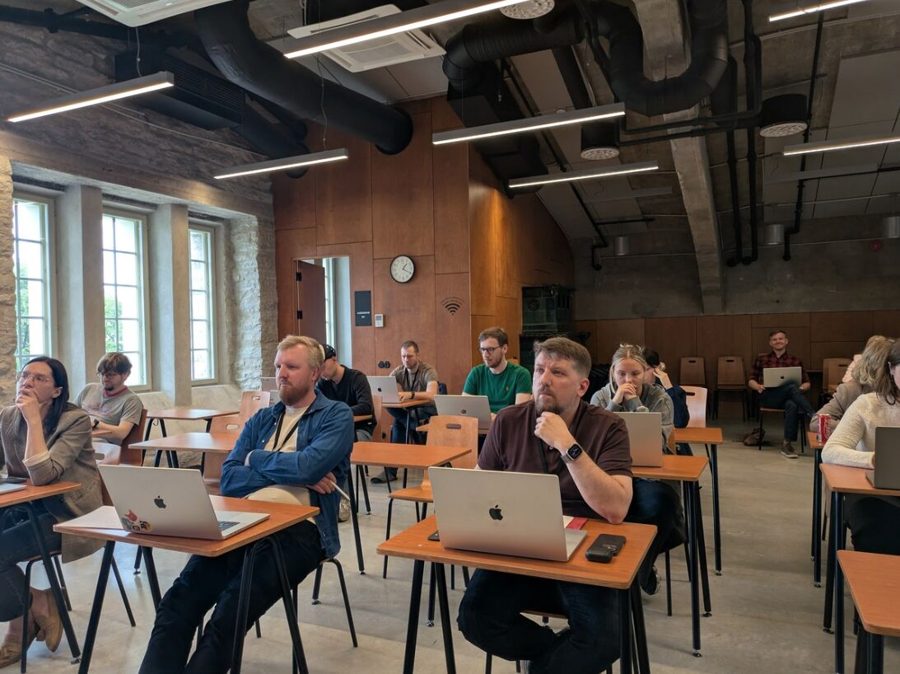
With this in mind, we just launched “Built for What’s Next,” a 10-week AI upskilling sprint for our entire global team.
The purpose is to give everyone a baseline. We are looking at the tools we could be leveraging and the practical skills we need to drive innovation and scale across our organization.
None of us question the use of productivity tools like word processors or spreadsheets to bring our value to life in a business environment, and we shouldn’t think of AI any differently. We need to build trust in the tech and develop the fluency to incorporate these tools into how we think about solving problems. We want to move beyond just using AI for linear tasks (doing the same work faster) and start using it to create opportunities we never thought possible.
Building these skills only comes through practice. We’re supporting our people with the time and resources to get hands-on and reimagine work at the ground level, where the real expertise lives. There’s a massive opportunity for the companies that get this right, and I’m excited to see our people lead that charge.
I look forward to sharing the raw learnings and impacts from this sprint once the 10 weeks are up. The goal is that these insights help you accelerate your own transition and close the adoption gap within your teams.
Last week, I promised to start sharing examples of AI innovation here at Zendesk, so here’s a great one to kick off with.
Over time, we were starting to see customer storytelling get more and more fragmented. Every region had its own spreadsheet, its own process, and teams spent a significant amount of time just staying aligned with each other. At the same time, demand for customer stories was growing, particularly around customers seeing real results from AI.
Diana Machado on our EMEA Campaigns team had been managing this problem for a while. During our AI upskilling sprint, she saw an opportunity to do something about it.
She built the Customer Story Factory, which takes a customer transcript and generates a tailored interview guide, a full customer story written to our editorial guidelines, a social post, and an internal slide with key metrics. It is now widely used across the team and regional marketers that used to spend the bulk of their time coordinating across spreadsheets are now able to focus on finding and telling great customer stories.
I want to stress that Diana is a campaigns manager. She had never written a line of code before this, but she built this in less than a day. That tells me that with the right tools, we can empower anyone to be an equal partner in building better ways of working.
Earlier this summer, I made a commitment to share what we learned from our company-wide AI upskilling sprint.
Here's where we landed:
- 73% of our global workforce participated in a workshop, with more than 2,800 people attending sessions covering prompt engineering, agent building, and data analysis. 600 hours of focused learning across the organization. Of everyone who participated, 92% came out with greater confidence in their ability to use these tools at work.
The sprint also built three things that did not exist before:
- Infrastructure - a Prompt Library, Agent Marketplace, and AI Hub that anyone in the organization can access and build on.
- Good habits - Weekly Sandbox Hours and community gathering spaces to keep the learning going after the program ends.
- Buy in across the org - Nearly 3 in 4 employees showed up, which tells me the impact of this program went far beyond our technical teams. The best evidence of that came from our Zennovate hackathon shortly after, where non-technical participation tripled.
- What these raw numbers don’t capture are the stories behind the actual innovation that took place. Over the next few weeks, I’ll be spotlighting three such stories from across the company that show what’s possible when the people who understand the problems best are empowered with the tools to solve them.
Stay tuned.