The most reacted recent post at each company, in full. Click any post to open it on LinkedIn.
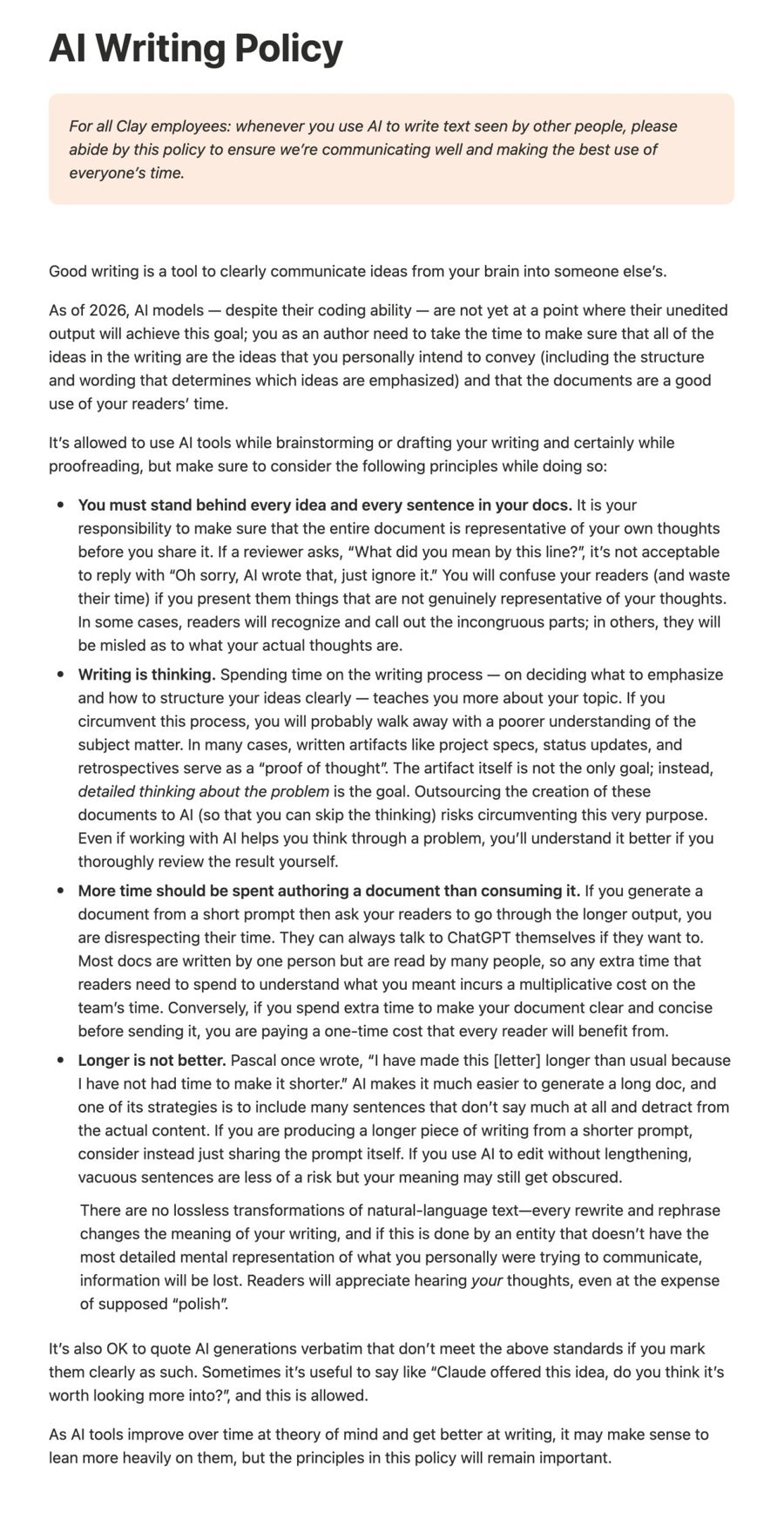
We just instituted an official AI Writing Policy at Clay. Massive thanks to Sophie Alpert on our engineering team who wrote this. Originally this was just for eng, but other teams found it so helpful we expanded it company-wide. Here are the four guiding principles:
1. You must stand behind every idea and sentence
It is your responsibility to make sure that the entire document is representative of your own thoughts before you share it.
2. Writing is thinking
Spending time on the writing process teaches you more about your topic. If you circumvent this process, you will walk away with a poorer understanding of the subject matter.
3. More time should be spent writing a document than consuming it
If you generate a document from a short prompt then ask your readers to go through the longer output, you are disrespecting their time. They can talk to ChatGPT themselves if they want to.
4. Longer is not better
AI makes it easy to generate long docs, and it loves padding them with sentences that say nothing. If you're producing docs from a short prompt, consider just sharing the prompt.
You can read (and borrow) the full policy below. Hopefully we all communicate a bit more clearly now :)
Trust is built one shared experience at a time.
This was my takeaway last week, after spending a few days with the G2 London team. It was my first trip across the pond since joining G2 in 2024.
During three days, I met with customers and spent quality time with the local sales and management team. That definitely went a long ways to "get the penny to drop" on how they could leverage me going forward.
But really, it was our common passion for the England national team that glued us all together as a unit.
For 20 years, I've loved the English team and cheer for them at major tournaments.
I even ponied up the dough to see England VS Croatia a few weeks ago at Dallas Stadium. I was there when we serenaded the team with a rendition of Wonderwall.
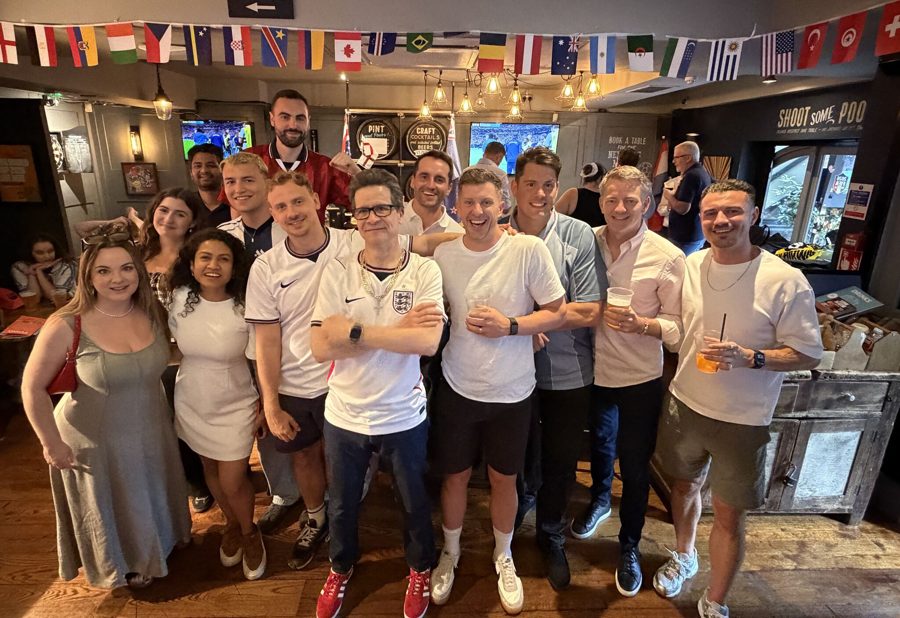
So last Wednesday, the London office joined me at a pub to watch England in a knockout round match against DR Congo.
It was a raucous experience. We were behind for a long time, finally leveled and then through the grace of Sir Harry Kane, qualified for the Round of 16 with a winning goal at the end.
It was quite the range of emotions.
We had a photo snapped of us at half-time, still uncertain if our team would win or not. I wanted to commemorate a relationship building week with the team that started all business, but ended up moving forward the most because we found a passion we could all coalesce around.
This is how I think of culture building.
Find an authentic connection between your passion and a passion of your people and you'll spark something greater than closing a deal, doing a favor or having a series of meetings.
You'll bring out real human to human connection.

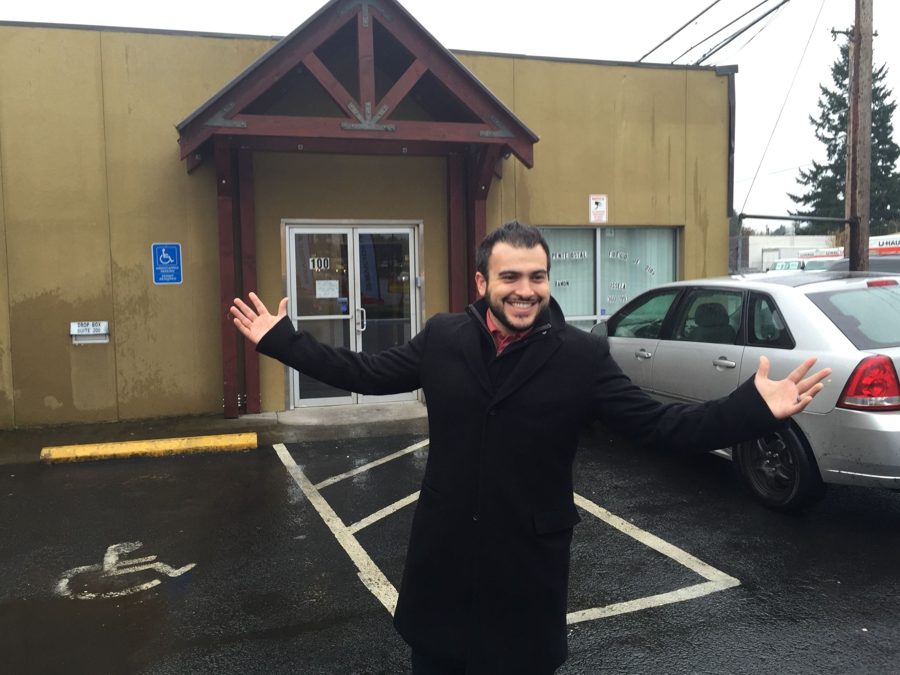
In 2009, we were building ZoomInfo out of a strip mall in Washington. I felt like such a LOSER next to Silicon Valley companies and remember thinking:
“Why doesn’t our business look like that??”
“Why isn’t Sequoia invested in us?”
“Why aren’t we growing as fast as they are?”
They had so much hype and great VCs. Box and Dropbox were raising round after round and getting all the press.
Meanwhile we were working out of our first “global HQ” - a tiny office in a seedy part of town. The carpet was stained, the ceiling tiles were cracked, and there were no windows. The front door didn’t even close all the way. We didn’t have an IT team, so I ran the wiring myself.
But we were growing profitably and had a chip on our shoulder bigger than the Bay Area.
We also hadn’t raised a dollar. Kirk and I put $25K each on our credit cards to start the company in 2007, and we didn’t take outside money until 2014, when we were at about $30M in ARR.
I was really hard on myself during those years. I’d look at who was getting funded down in the Valley and think, are we just dumbasses? Is everyone else doing this right and we’re the ones doing it wrong??
Looking back, not having that money was one of the best things that happened to me. I was 23 when we started. If someone had handed me $40M back then, I would have made a TON of bad decisions with it.
Instead, every dollar we spent came from a customer, so we had to figure out which dollars actually worked. And I got 7 years to grow up as a leader before anyone gave us real money.
It’s hard not to compare yourself. We all do it. If I could tell my 23-year-old self one thing, it would be to stop worrying about what other companies are doing.
You’re building your own thing, and it’ll get rewarded.
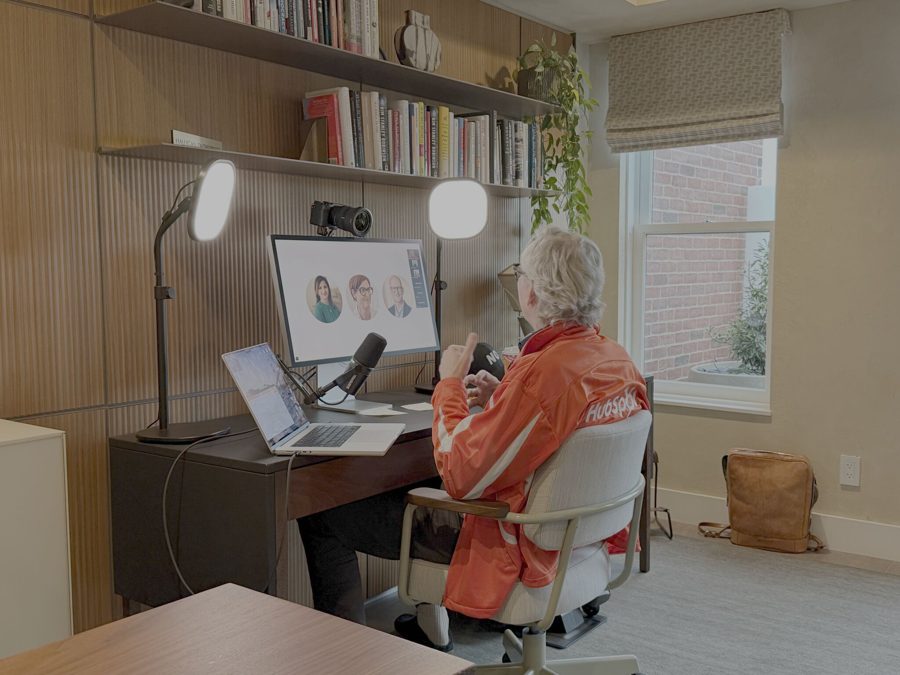
Notes From the HubSpot Refounding, Day 1:
Yesterday (November 12th, 2026), Brian Halligan came back as CEO of HubSpot and we declared that it was the refounding of HubSpot. You can get to the original post by visiting refounding .com.
Here are some thoughts/notes for those following along at home, that are curious:
1) Yesterday, we had an all-hands meeting (I've stopped calling it the "all-minds" meeting because that term never stuck). We did it live from Brian's place. I opened and then passed it to Brian who did the main presentation. I've seen Brian give a *lot* of presentations. He's very good at it. This was one of his better ones. I live-Slacked his presentation in the company Slack channel while he was giving his presentation a few feet away. It was fun -- and funny (I hope). There were hundreds of people posting to Slack live. It wasn't just me.
People loved the presentation. Really positive response. The energy was palpable.
HubSpot is ready for a refounding. I'm excited!
2) A common question we've gotten from folks in the community: "What does refounding mean? What will actually change?"
We are reimagining, rethinking *everything*. The core question we're asking ourselves is: "Selves, if we were starting HubSpot today, knowing what we know, what would we do?"
To start with, we're sharpening the product vision. We are leaning strongly into a headless version of HubSpot. This means that an increasing amount of HubSpot's capabilities will be consumable by AI agents and AI harnesses (like Claude and ChatGPT) via MCP. We're shifting significant resources towards that vision. It's how people increasingly want to use/access HubSpot and we hear that loud and clear.
3) After the presentation, Brian and I had a celebratory founders' dinner. Talked about a lot of things. But there's one overarching thing. We both agreed that we should BE BOLD. Take risks and don't hold back from necessary change and short-term sacrifice as long as we think it Solves For The Customer long-term.
So, we are now on Day 2. Stay tuned for more updates.
If you have questions, comments or feedback, just drop them in the comments.
Cheers.
#HubSpotRefounding
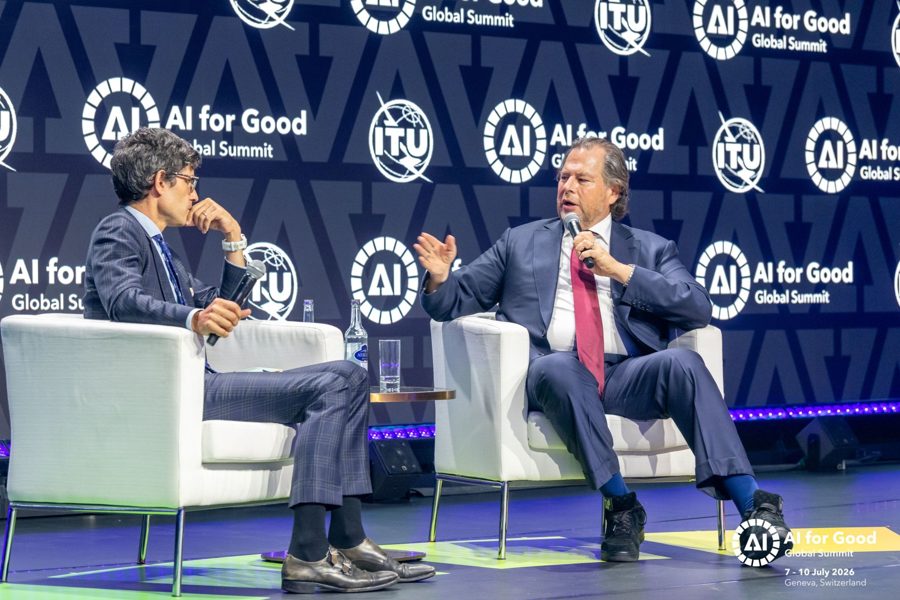
An incredible day of conversations and momentum at the AI for Good Global Summit.
It was an honor to participate in the launch of the ITU AI for Good Global Commission alongside my co-chair, President Paul Kagame, and vice-chair, Doreen Bogdan-Martin. And it was great to be with Nicholas Thompson for a wide-ranging fireside chat on everything from the rise of autonomous agents to how companies must lead in the AI era.
The message I kept coming back to all day is simple: This is a moment of profound responsibility.
We cannot let AI become Social Media 2.0. Social media companies got a pass as children were hurt and society was damaged. That was just the warm-up act. We cannot afford to repeat those mistakes with AI.
Every company must be held responsible for what they build. The pharmaceutical industry has strict liability frameworks if a drug harms people; AI must be no different. We cannot have ethics without real accountability.
AI will only fulfill its extraordinary promise if we build it on a foundation of trust. As leaders, what we do next will define our legacies. Our values are what will bring value, and those values will determine how this technology unfolds. This is our opportunity, our obligation, and our shared responsibility.
Thank you, Doreen, for bringing us all together and for championing AI for Good.
Got a reference call last week. A CEO was looking at someone who used to work for me for a leadership role. Easy call. I gave her a strong yes.
Then he asked: “We sell into a very specific industry. How much weight do you put on industry experience?”
My answer: very little.
Drive and smarts matter more than industry experience every single time. Not sometimes. Every time.
Yes, the leader with the domain background ramps faster. Then the curve flips. The smart, driven person has learned the industry by then, and keeps climbing. The experienced person stops where their experience stops.
I’ve seen this play out at Gong over and over. Many of our most successful people started with very little experience. Some with none. What they had was drive, and the smarts to learn fast.
She can hire a few people from the industry. Hang out with customers. Get an industry advisor. Use AI. Probably all of the above. Industry knowledge is something you can buy. Drive and smarts are not.
Sure, sometimes experience is key. I wouldn’t let a dermatologist do my root canal.
But a revenue leader learning a new vertical is not a root canal. It’s a 6-12 months of homework.
In short: engine over map. Best of luck! 😎

All week, people have been texting me congratulations. A few added: "I'm sure it comes with mixed emotions."
It doesn't.
Today is day one working again with Andrew Bialecki.
If you haven't heard the news, Klaviyo acquired my company Agency, and our entire team is now enjoying an iconic Boston summer.
We live in a dysfunctional world where anything not measured in billions is somehow a failure. I've even been known to call Drift, a $1B exit, my biggest failure.
Agency is my biggest success.
Why?
It was my first time as CEO, ultimately responsible for the vision, the cash, and the people. I had the best co-founder in the world in Luke Van Seters , but the buck stopped with me.
I got plenty wrong. That's the gift of being a first-time CEO: nowhere to hide, and every mistake was mine.
And the thing I'm proudest of is the team. I learned what I'm best at: getting exceptional people to do the best work of their careers.
We learned how to build AI products. We obsessed over customers. And we found product-market fit with multi-million dollar revenue. Our customers loved the product, depended on it, and didn't want to give it up.
But PMF wasn't enough. We still had to solve distribution, margins, and the question every AI company faces: what happens when Claude can do more and more of what your product does?
For decades, software recorded the work. AI is turning software into something that does the work.
I believe every business will eventually have an agent that understands its customers, works across its systems, and does the one job every company shares: winning customers and keeping them.
Agency spent two years proving that an agent could do the work. Klaviyo has the customers, data, distribution, and ambition to take that idea much further than we could alone.
What's next is bigger than Agency. We're going to Klaviyo to build the agent every business will have. That's why there are no mixed emotions.
Thank you to our customers, team, investors, and everyone who has been part of this. We need you still.
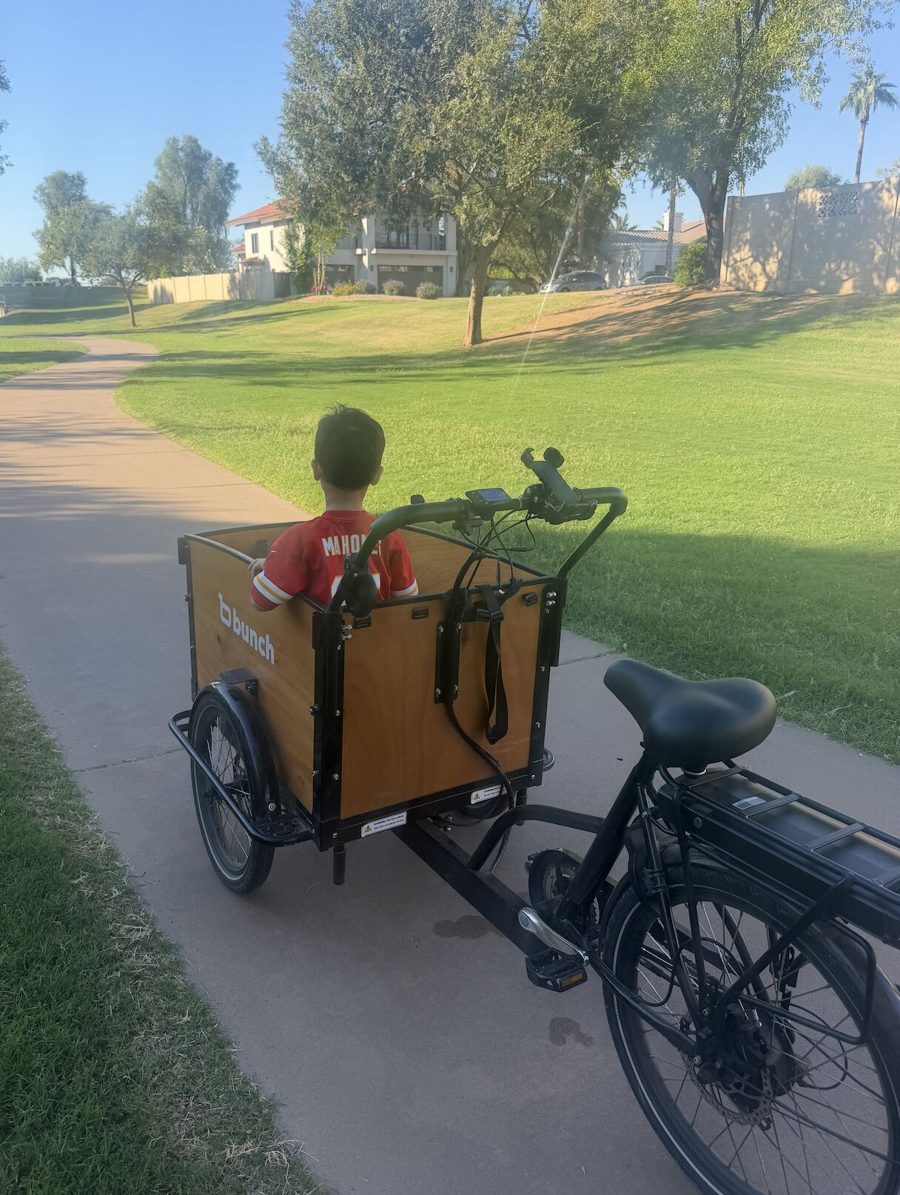
If I'm home, I'm taking my kids to school. That's become one of my non-negotiables.
I'm part of the 5am workout crew, so yes, I'm up in the fours most days. But the drop-off is the part of the morning I really look forward to. Same with practice. Sometimes I'm coaching, sometimes Im just sitting on the sidelines watching, and I love both.
I see so much advice on here about how to grow your career. I don't see as many people talking about taking care of yourself, or showing up for the people at home. And that goes for everyone, kids or no kids.
The time goes by so fast. I don't want to miss it. That's all, happy friday :)

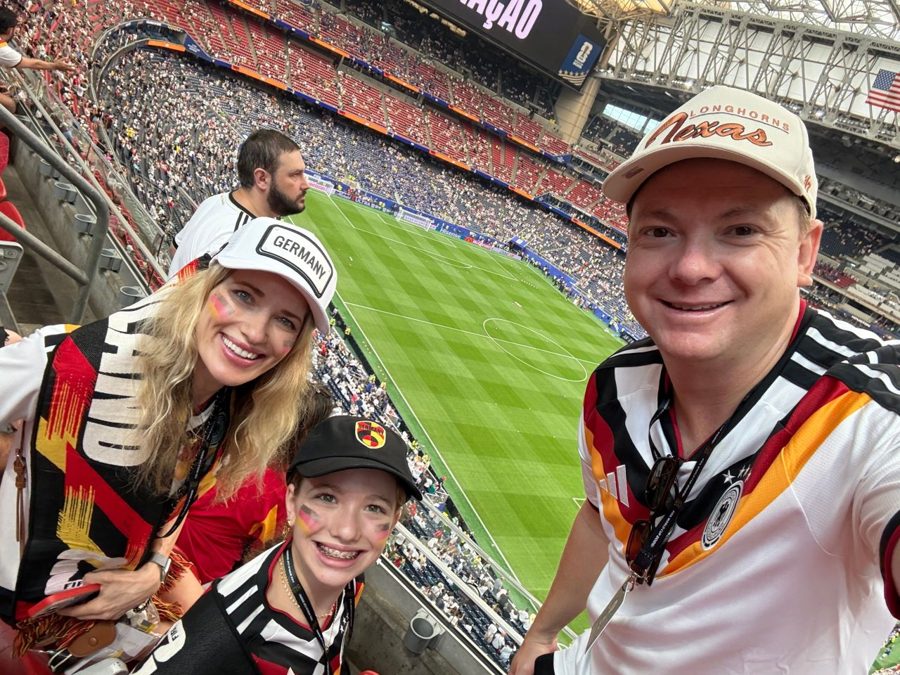
A World Cup in the USA that also has Australia & Germany part of it means I have the luxury of three teams to support. I don't think I am alone in enjoying more and more human experiences like once in a lifetime sporting events, concerts and catching up with friends. I won't post the picture from my poker game on Friday because it'd be a sad photo with no chips left in front of me but it was awesome to disconnect on the weekend with some fun, a roadtrip, amazing game and quality time with my friends and family.
Coming up is another game (this time where I will have to support Australia over the USA) where I am excited to spend time watching it with some of our amazing customers. I am sure I am not alone in being tired by the "AI will replace all jobs" narrative, equally it's obvious that people are remembering that spending time in person is important. I think for me the constant reminder I have to give myself is that all we really have control over is how we spend our time - and I don't think it's ever been more important for us to try and balance our lives.
Shared experiences (being in an office working together, sharing meals, seeing events) are fundamental to human relationships, both personal and professional and no amount of AI or virtual engagement will replace that. Balance for me now isn't so much as work vs life, it's alone on a device vs physically together with people. Now I just need some more productivity from my AI tools so I have a bit more time on the weekend to watch all these matches with my family!